How to Protect Your Shotgun from Rust This Winter
 By Thomas Williamson
Firearms Storage Specialist
Updated 9 November 2026
 By Thomas Williamson
Firearms Storage Specialist
Updated 9 November 2026
For many shotgun owners, the British shooting season means early starts, muddy fields, cold mornings and, more often than not, plenty of rain. Whether you’re spending the day on a driven pheasant shoot, walking up with your dog or enjoying a morning of clay shooting, keeping your shotgun protected from the elements is an important part of looking after it.
Even a well-maintained shotgun can develop rust when exposed to moisture, particularly if it’s put away damp after a day’s shooting. The problem isn’t always immediately obvious, either. Moisture can collect around the action, beneath the barrels and in other areas that are easily overlooked.
Fortunately, preventing shotgun rust doesn’t require an elaborate maintenance routine. A few simple habits, combined with suitable storage and protective accessories, can make a considerable difference.
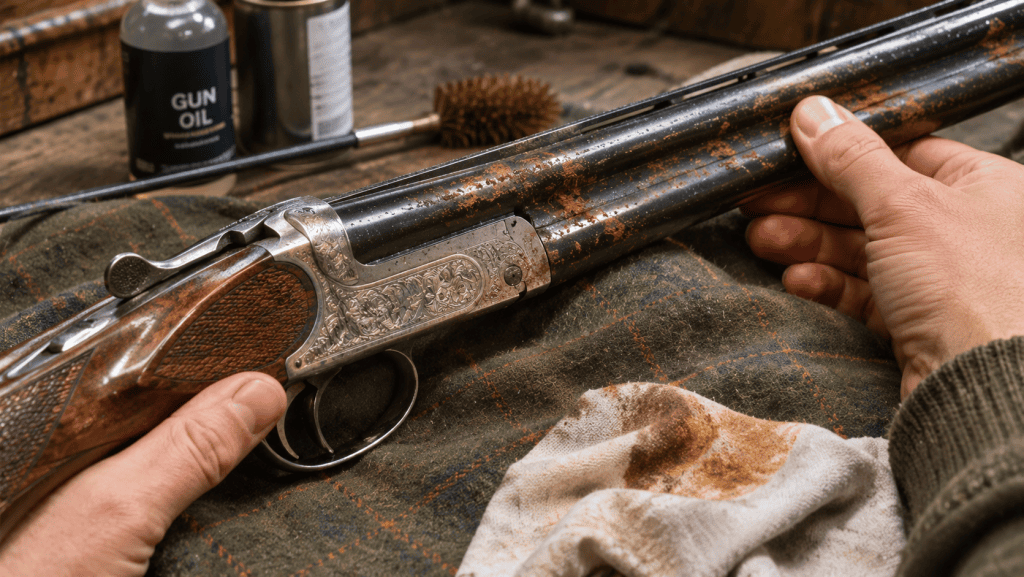
Rust develops when iron or steel reacts with oxygen and moisture. During the British winter, shotguns are regularly exposed to rain, damp conditions and changing temperatures, all of which can increase the likelihood of corrosion.
Traditional blued barrels are particularly worth looking after. Although bluing provides a degree of corrosion resistance, it doesn’t make the steel rustproof. Even modern shotguns with more durable finishes can have exposed metal components that require regular care.
There are several areas where moisture can accumulate:
One of the biggest risks is putting a shotgun away while it’s still damp, assuming it will dry naturally inside its slip or cabinet.
After a wet day’s shooting, it’s worth spending a little time looking after your shotgun before returning it to storage. Even if the barrels and action appear dry on the surface, rainwater can remain trapped around the fore-end, beneath the rib and in other less visible areas. Left unchecked, this moisture can lead to surface rust and potentially more serious corrosion over time.
The good news is that a straightforward after-shooting routine can significantly reduce the risk. Whether you’ve spent several hours standing on a peg in persistent rain or simply been caught in a passing shower, the following five steps will help you dry, maintain and protect your shotgun before putting it away.
Remove your firearm from its gun slip as soon as practical. A slip that has been exposed to rain can remain damp inside even when the exterior appears surprisingly dry.
Leaving a shotgun in a wet slip for an extended period can trap moisture against the metalwork and encourage corrosion. Remember to dry the gun slip separately before using it again.
Using a clean, soft, dry cloth, carefully wipe moisture from the barrels, action and accessible metal surfaces. Pay particular attention to areas where water may collect, including around the rib, fore-end and metal fittings.
If your shotgun’s manufacturer permits routine removal of the fore-end or barrels for cleaning, follow the manufacturer’s instructions. Avoid dismantling unfamiliar mechanisms or attempting work that should be carried out by a qualified gunsmith.
Once the shotgun is dry, inspect and clean it according to the manufacturer’s maintenance instructions. A suitable gun oil or corrosion-protection product can help protect exposed metal surfaces. Apply it sparingly and in accordance with the product instructions, avoiding excessive oil around woodwork and internal mechanisms.
Oil is useful for protecting metal, but it shouldn’t be used as a substitute for removing moisture first.
Wooden stocks and fore-ends also deserve attention after prolonged exposure to rain. Wipe away surface moisture with a soft cloth and allow the woodwork to dry naturally in suitable conditions.
Avoid placing your shotgun next to a radiator or applying direct heat in an attempt to speed up drying. Excessive heat can damage wood finishes and may cause unwanted movement or cracking.
Once your shotgun is clean and dry, return it to the cabinet. If additional drying or maintenance is needed, it must still remain under appropriately secured. Before storing it, check that your gun cabinet itself is free from any obvious dampness or condensation.
It goes without saying but never leave a firearm unsecured while waiting for it to dry
A gun sock provides an additional protective layer around your shotgun while it’s in storage, helping to reduce contact with dust, minor handling marks and other everyday sources of wear. However, not all gun socks are silicone-treated, and the amount and consistency of silicone treatment can vary between products.
Some basic gun socks are essentially fabric sleeves. They may offer useful protection against dust and scratches but do not necessarily provide the same corrosion-protection benefits as a properly silicone-treated alternative. Even among silicone-treated gun socks, the quality of the treatment can vary.
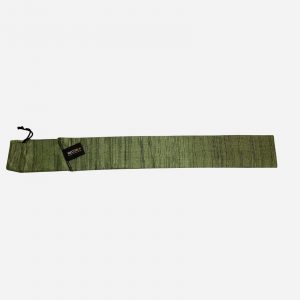
The RecoilX Gun Sock features GuardCoat™, their proprietary silicone treatment developed to provide a protective coating throughout the fabric continously. Rather than relying on an untreated fabric sleeve, GuardCoat™ is designed to complement your normal cleaning and maintenance routine by helping protect the firearm’s metal surfaces during storage.
The RecoilX gun sock also provides a soft protective barrier against minor knocks, dust and handling marks when placing or removing a shotgun from its cabinet.
Importantly, a silicone-treated gun sock is not a substitute for drying and cleaning your firearm. Never put a wet shotgun into a gun sock and assume the silicone treatment will prevent corrosion.


Even experienced shooters can occasionally overlook simple maintenance habits.
Damp padding can hold moisture against the barrels and action, potentially causing corrosion.
Water can remain around the fore-end, ribs and fittings even after the visible surfaces have been wiped dry.
Bluing offers some protection, but regular maintenance remains important.
Excessive oil can collect around woodwork and internal mechanisms. Use appropriate products sparingly and follow the manufacturer’s guidance.
A silicone-treated gun sock is an additional layer of protection, not a replacement for cleaning, drying and appropriate storage.
Yes. Surface rust can begin developing surprisingly quickly when steel remains exposed to moisture, particularly if a shotgun is left inside a damp gun slip or stored without being dried properly. The exact rate depends on the firearm’s finish, environmental conditions and level of protection.
No. Always dry and maintain your shotgun before placing it inside a gun sock. A silicone-treated gun sock is intended to provide additional protection during storage, not to dry a wet firearm.
No. Silicone treatment can contribute to corrosion protection, but no gun sock can guarantee that a firearm will never develop rust. Regular cleaning, appropriate protective products and a dry storage environment remain essential.
After exposure to rain, it’s sensible to inspect, clean and protect the metalwork in accordance with the manufacturer’s instructions. A suitable gun oil or corrosion inhibitor can provide additional protection, but it should be applied correctly and sparingly.
Once your shotgun is clean, completely dry and appropriately protected, return it to its secure gun cabinet. A quality silicone-treated gun sock can provide an additional layer of protection against dust and minor handling marks during storage. Always ensure the firearm is dry before placing it inside the sock.
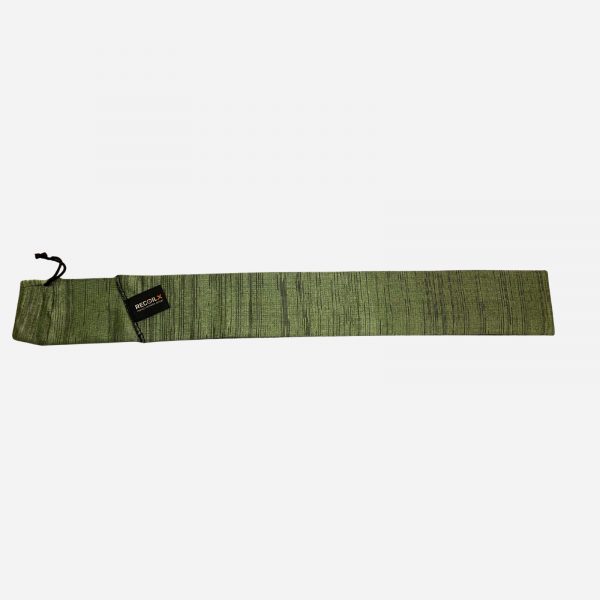
Number 1 best selling gun sock with GuardCoat™ by RecoilX. Designed to displace moisture and reduce the risk of rust and corrosion to your firearm during storage

“Easily one of the best gun socks available”
Thomas Williamson Firearms Storage Specialist Thomas WilliamsonFirearms Storage Specialist
Thomas is our resident expert in gun cabinet security, bringing over 20 years of specialist experience in the field. Throughout his career, he has…
 RecoilX Silicone Shotgun & Rifle Gun Sock
£9.99
View product ›
 Where to Install a Gun Cabinet in Your Home: UK Guide
Read guide ›
 Can You Fit a Gun Cabinet Under the Stairs? UK Guide
Read guide ›
 Can You Install a Gun Cabinet in the Loft? UK Guide
Read guide ›
 Can You Keep a Gun Cabinet in a Garage? UK Guide
Read guide ›
 What Size Gun Cabinet Do I Need? 1, 3 or 5 Gun Cabinets Compared
Read guide ›
 Can You Use WD‑40 to Clean a Shotgun?
Read guide ›
 How to Choose the Best 3 Gun Cabinet for First-Time Gun Owners
Read guide ›
 Gun Socks: Why Every Gun Owner Should Use One for Shotguns and Rifles
Read guide ›
 What Bolts for Gun Cabinets? UK Fixing Guide (2026)
Read guide ›