Can You Use WD‑40 to Clean a Shotgun?
 By Thomas Williamson
Firearms Storage Specialist
Updated 14 November 2026
 By Thomas Williamson
Firearms Storage Specialist
Updated 14 November 2026
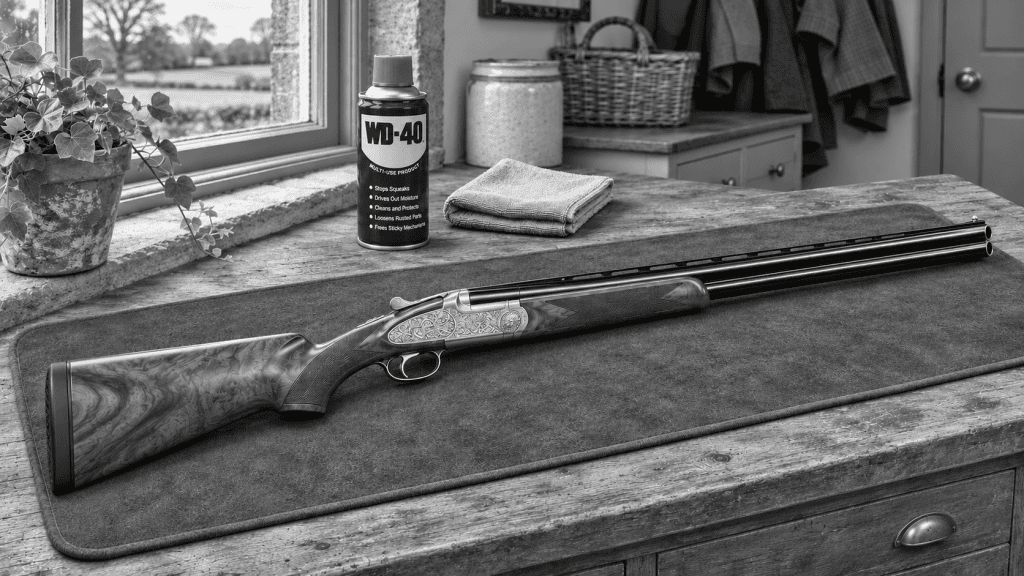
We were recently asked whether it’s OK to clean a shotgun with WD‑40. It’s an understandable question. There’s a blue-and-yellow can on the workbench, it’s handy for all sorts of jobs, and the label says it cleans, lubricates and protects. So why would a shotgun be any different?
For routine shotgun cleaning, we’d leave the original WD‑40 Multi‑Use spray on the shelf. The biggest concern is what it can leave behind, especially inside the action. Then there’s the question of where the spray ends up. Aim it at the metalwork and it can easily reach the stock or a coated finish. Those are the details worth thinking about before you reach for the can.

The spray can feel slick when it first goes on. Over time, the residue can become tacky and hold on to dirt and fouling. On the outside of a barrel, you can see what’s on the surface. Inside the action, you may have no clear view of where the spray has settled. Benelli makes this point in its Ultra Light manual, which specifically warns against using WD‑40 on internal parts because it can gum up over time.
This is where much of the confusion comes from. WD‑40 Multi‑Use can move water off a surface and leave it feeling slippery. It does provide light lubrication, but that slick feel tells you little about how suitable it is for the shotgun’s moving parts over time.
Think about what you’re trying to do. Removing fouling, lubricating moving parts and protecting exposed metalwork in storage are different jobs. Choose a product intended for the task and suitable for your shotgun.
Look at where the action meets the stock. A spray aimed at the metalwork can easily reach the wood or run into the join. Browning warns that excess oil can migrate into the stock and soften the wood. It also advises keeping solvents and strong cleaning chemicals away from some of its coated finishes.
That advice is worth remembering even when you’re using a dedicated gun-care product. The label may say it’s suitable for metalwork, but check whether it’s also suitable for the wood, coating or recoil pad it could come into contact with..
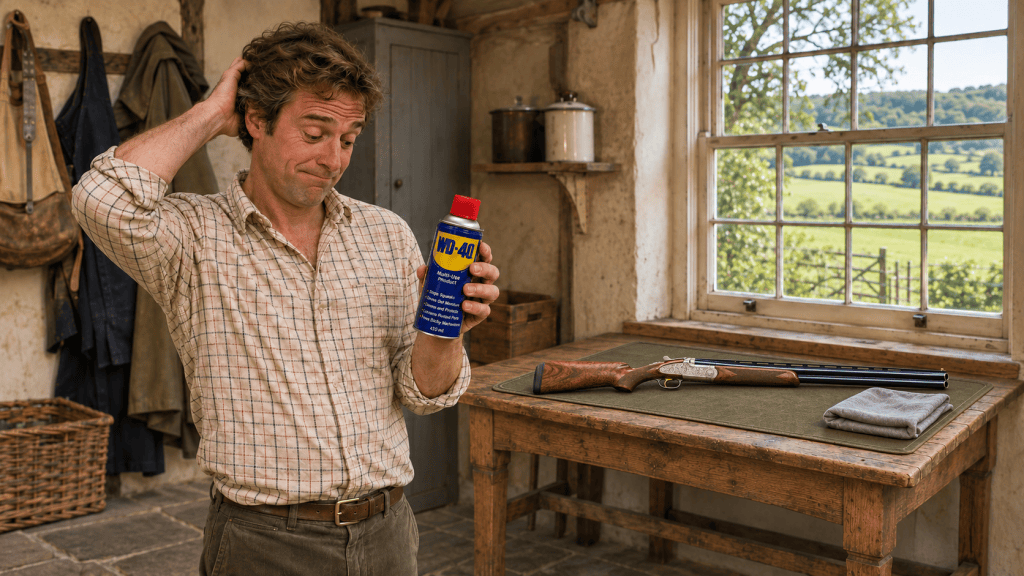
Start with where it went. A light wipe over the outside of the barrels is a different situation from spraying into the action. On accessible exterior metalwork, the concern is the residue left on that surface. If the spray went into the action, a part has seized or the shotgun was submerged, speak to a qualified gunsmith before using it again. A dry-looking exterior tells you very little about what’s still inside.
If you used WD‑40 in a pinch, the job isn’t finished. The residue needs to be removed from the affected areas, then lubrication and corrosion protection restored with a suitable firearm product. If that requires stripping the action, it’s probably worth doing.

Once your shotgun is clean and fully dry, think about what it will come into contact with in the cabinet. If you keep several guns side by side, it’s easy to brush a barrel against another gun or catch the stock as you put it away. A soft gun sock gives those surfaces a layer of protection during storage. We use it after cleaning, when the shotgun is ready to go back in the cabinet.
If rain was what prompted you to reach for the WD‑40 in the first place, we cover drying the shotgun and its slip in our guide to protecting your shotgun from rust this winter.
We’d avoid reaching for WD‑40 and steel wool as a first response. A small orange spot can be tempting to scrub, but abrasive rubbing can leave a visible patch on a blued barrel. If you can see pitting, the finish is lifting or you’re unsure how far the corrosion goes, have a gunsmith assess it before trying to remove it.
How much did you spray? A small amount on accessible exterior metalwork can usually be dealt with at the surface. If you drowned the action in WD-40, it may be worth doing the strip down. Sorry.
Original WD‑40 Multi‑Use leaves a film that can help protect metal from corrosion. For routine storage, though, we’d use a corrosion protectant suitable for your shotgun’s finish. Once the shotgun is clean and fully dry, a soft gun sock adds a physical layer of protection, particularly if you keep several guns side by side in the cabinet.
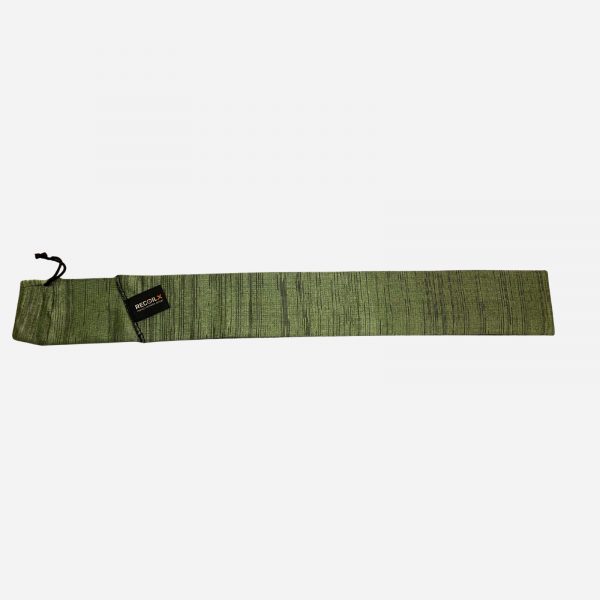
Left the WD‑40 on the shelf or already cleaned it off? Good. We’d use a gun oil suitable for your shotgun and, once it’s clean and dry, slip it into a RecoilX 54-inch Gun Sock with GuardCoat™ silicone treatment

“Designed for shotguns - unlike WD-40”
Thomas Williamson Firearms Storage Specialist Thomas WilliamsonFirearms Storage Specialist
Thomas is our resident expert in gun cabinet security, bringing over 20 years of specialist experience in the field. Throughout his career, he has…
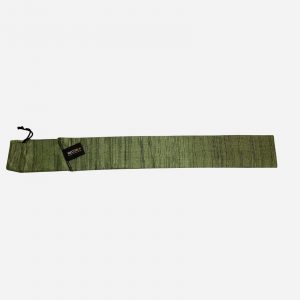 RecoilX Silicone Shotgun & Rifle Gun Sock
£9.99
View product ›
 Where to Install a Gun Cabinet in Your Home: UK Guide
Read guide ›
 Can You Fit a Gun Cabinet Under the Stairs? UK Guide
Read guide ›
 Can You Install a Gun Cabinet in the Loft? UK Guide
Read guide ›
 Can You Keep a Gun Cabinet in a Garage? UK Guide
Read guide ›
 What Size Gun Cabinet Do I Need? 1, 3 or 5 Gun Cabinets Compared
Read guide ›
 How to Protect Your Shotgun from Rust This Winter
Read guide ›
 How to Choose the Best 3 Gun Cabinet for First-Time Gun Owners
Read guide ›
 Gun Socks: Why Every Gun Owner Should Use One for Shotguns and Rifles
Read guide ›
 What Bolts for Gun Cabinets? UK Fixing Guide (2026)
Read guide ›